Beyond access: supporting the people who bring film into hospitals
What does it take to sustain cultural participation for children and young people in healthcare settings?
For Film in Hospital, the answer includes not only the films and activities offered to young audiences,
but also the working conditions and support available to the professionals delivering them.
This perspective was shared by Edita Bilaver at Forum Europe Créative 2026, organised by Relais
Culture Europe – Creative Europe Desk France at Le Volcan in Le Havre on 13–14 October. On 13
October, she joined the panel “Comment créer, produire et s’engager sans s’abîmer ?”, addressing the
relationship between creative work, wellbeing, mental health and sustainable professional practice.
Alongside Aurèle Durand (Mythodologie), Emmanuelle Cadet (Alter Natives) and Malika Bellony
(Association Les Pacotilleuses), in a conversation moderated by journalist Carlotta Morteo, she
presented one concrete challenge arising from work with hospitalised children: educators need
preparation and support to manage the specific emotional and professional demands of healthcare
environments.
Developed with European partners through Creative Europe MEDIA, Film in Hospital combines curated
European films, film education, facilitated activities and creative participation. Professional training,
psychological support, individual mentoring and clearly defined boundaries are integral to strengthening
this model. They help build continuity and quality while recognising the responsibilities carried by
cultural professionals working alongside healthcare teams.
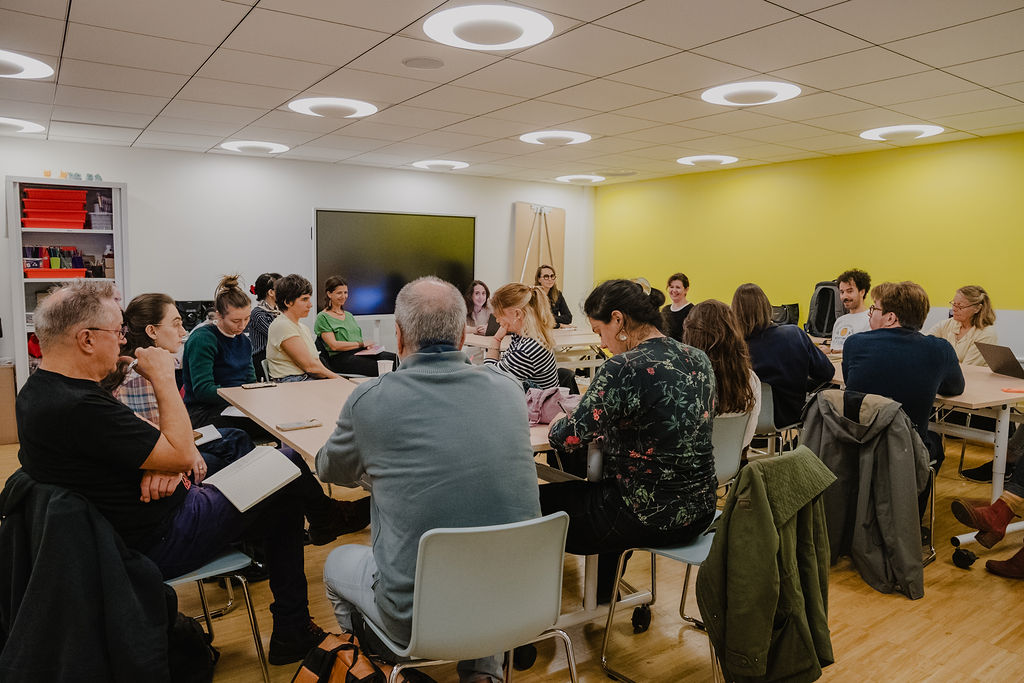
On 14 October, Edita also participated in the invitation-only workshop “Prendre soin des nouvelles
générations : culture, vulnérabilités et participation”. It explored barriers faced by young people in
accessing cultural life, their wellbeing and the importance of giving them a meaningful voice in cultural
participation. These questions are closely connected to the principle behind Film in Hospital:
hospitalisation should not exclude children and young people from cultural life, choice and creative
expression.
The two sessions offered complementary perspectives on care: the conditions needed by professionals
and the right of young people in vulnerable circumstances to participate in culture. They also provided
opportunities to exchange approaches and explore potential future European cooperation, without
presuming any new partnership has yet been agreed.
Warm thanks to Relais Culture Europe, in particular Chiara Zappalà and the organising team, to
moderator Carlotta Morteo, and to fellow panellists and workshop participants for the exchange.
Caring for young audiences also means caring for the people who work with them.
Illustration: Alba Garcia
Photo: Ellen Barboza / Relais Culture Europe
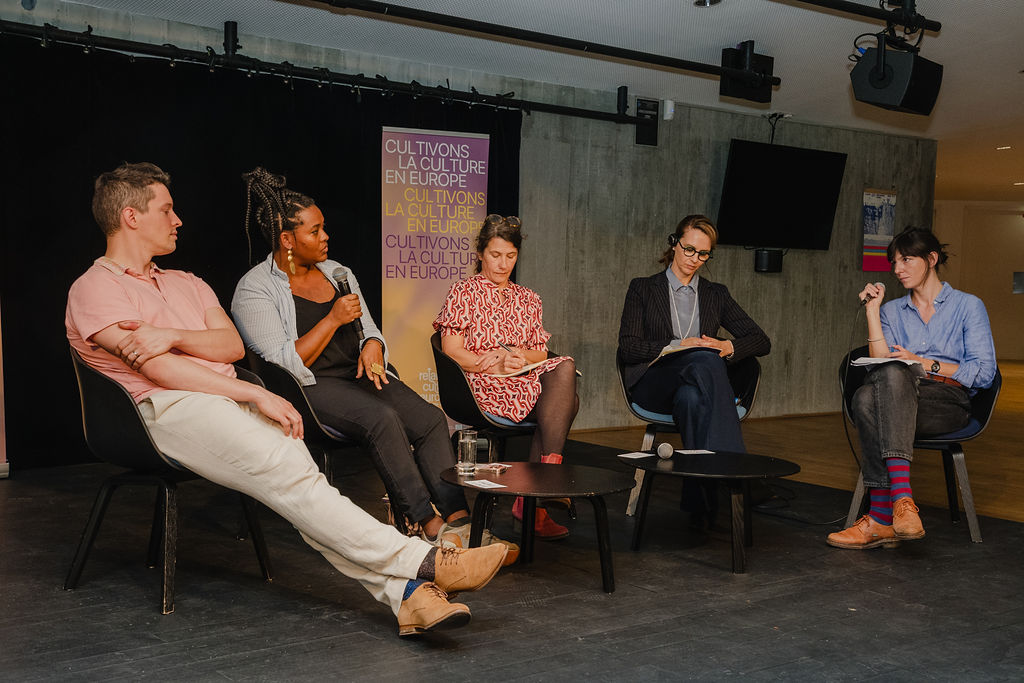
Edita Bilaver speaking at Forum Europe Créative 2026, Le Havre.