Animafest Zagreb and Film in Hospital: Bringing European Animation Beyond Festival Halls
The long-standing collaboration between Animafest Zagreb and Film in Hospital continued in June through two connected activities: bringing selected animated films and festival guests directly to children in hospital wards and presenting the European Film in Hospital project within the Animafest Industry programme.
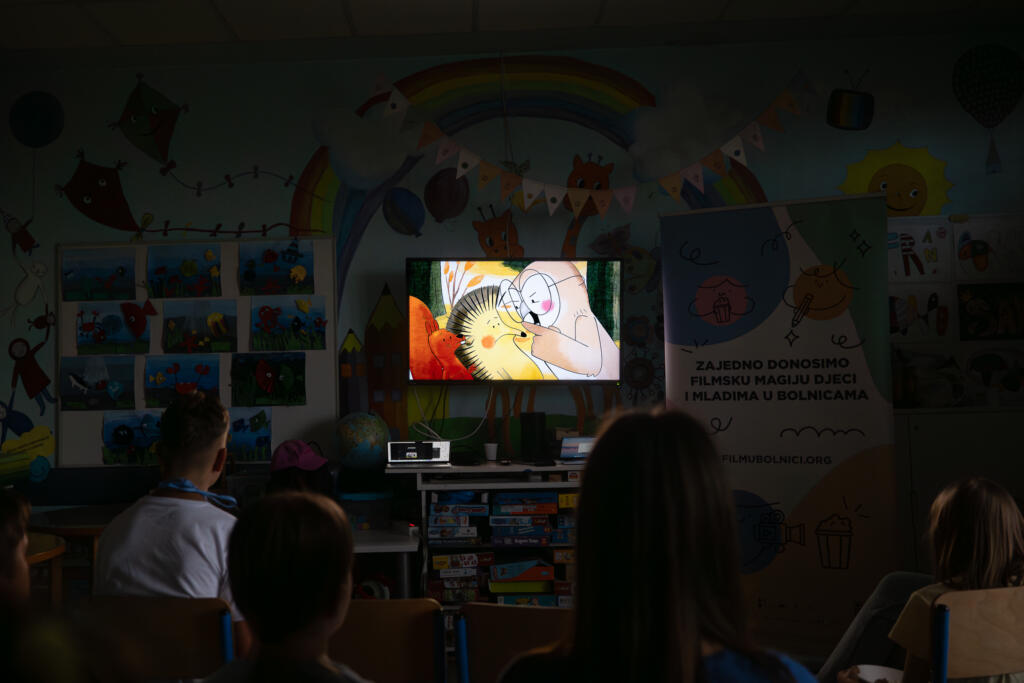
As part of the visiting festival programme, children in paediatric wards watched six films from this year’s Animafest selection: Beyond the Nine Trees: The Apple of Discord, The Seed, The Unwanted Egg, Prout, Konigiri-kun: Bon Appétit! and First Flight.
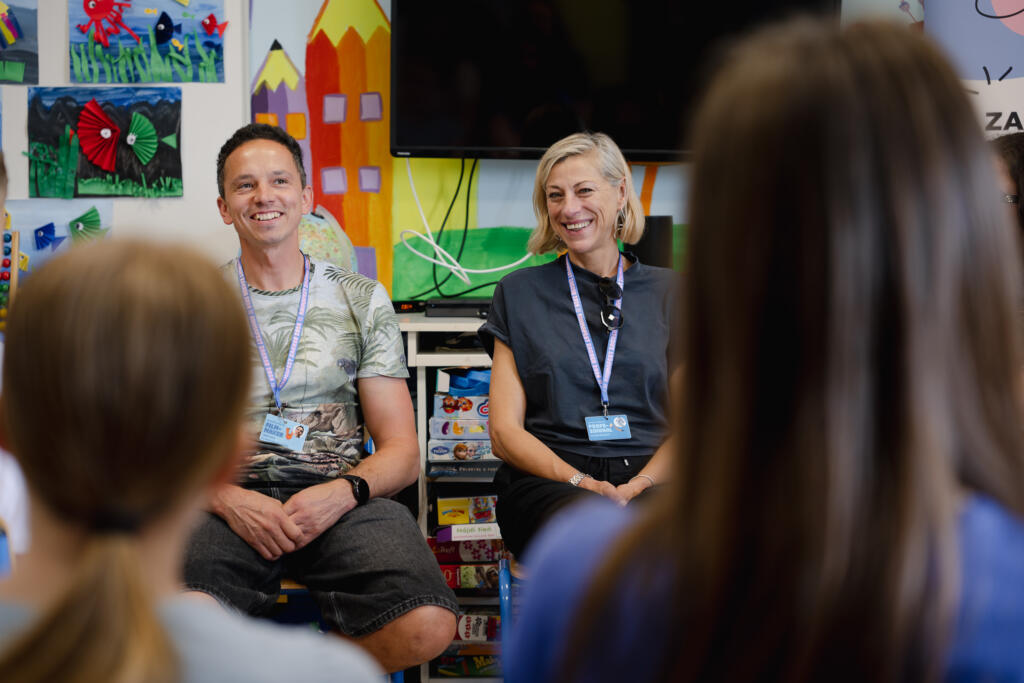
The screenings were accompanied by visits from director Timon Leder (Beyond the Nine Trees: The Apple of Discord) and co-producer Miljana Dragičević (The Unwanted Egg), giving children an opportunity to meet filmmakers and discover how animated films are made.
For children who cannot attend a cinema or festival during medical treatment, these encounters bring the festival experience into the hospital and create opportunities for shared viewing, conversation and cultural participation.
From hospital wards to the Animafest Industry programme
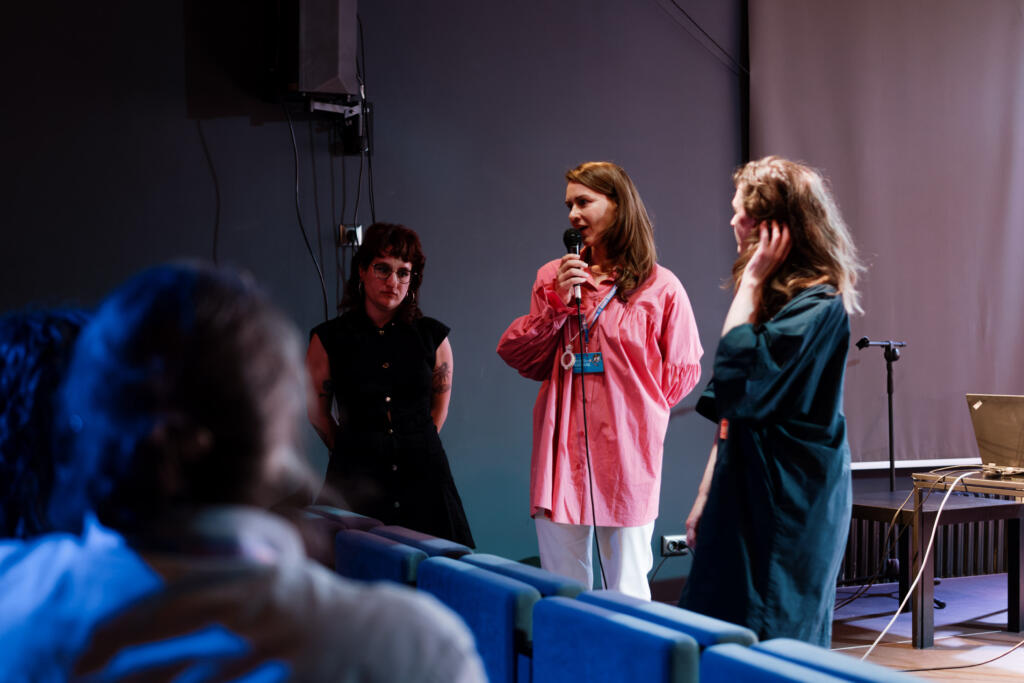
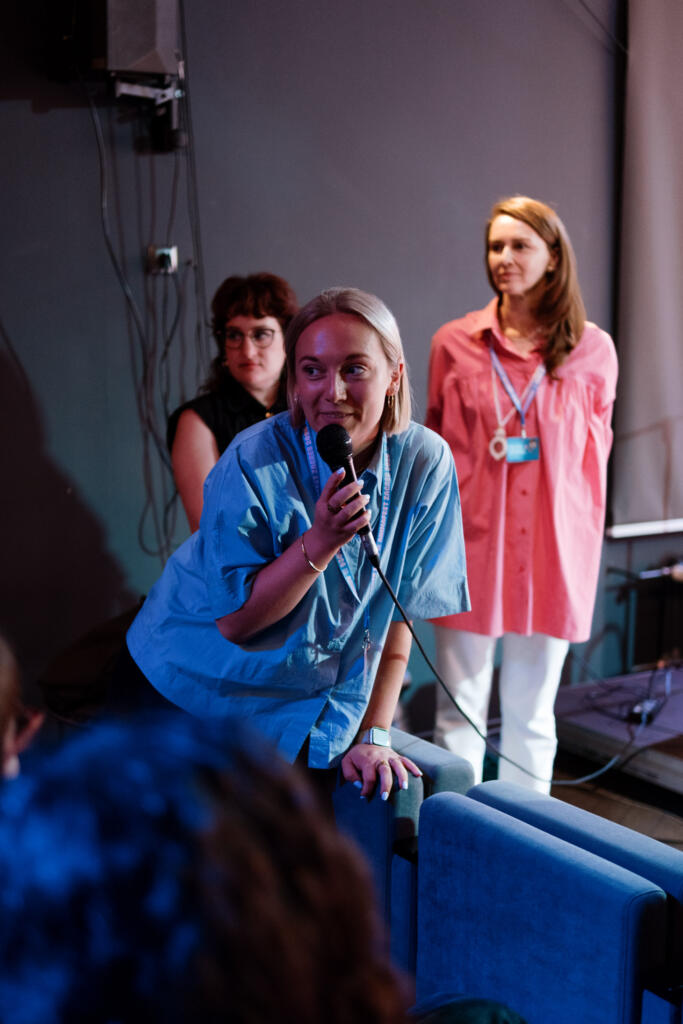
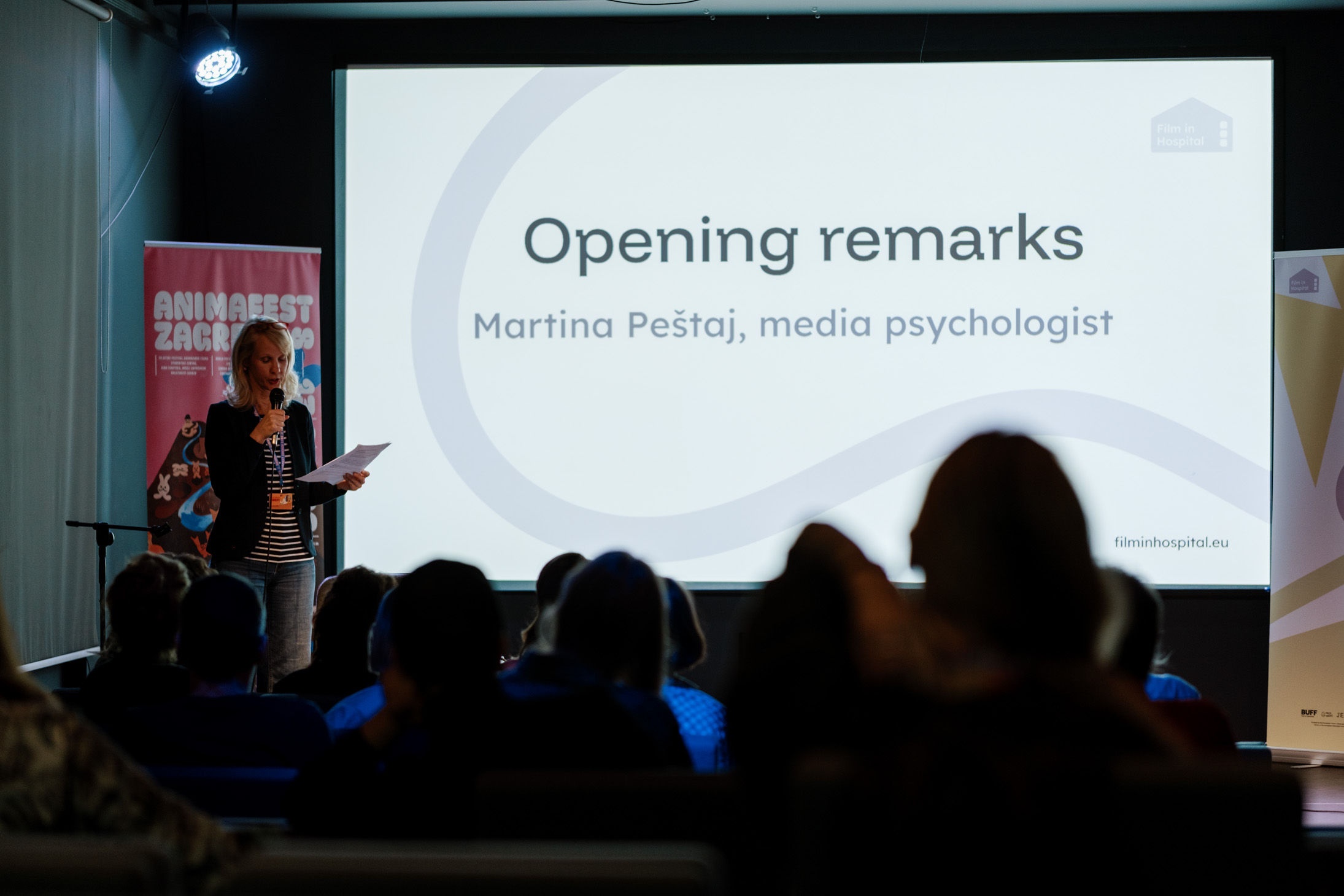
The collaboration continued with the public event “Film in Hospital: European Film as Access, Distribution and Care” at the Cultural Informative Centre (KIC), focusing on how European films can reach children and families who remain outside regular distribution and exhibition channels.
The presentation opened with Martina Peštaj, media psychologist, long-standing expert collaborator and member of the Expert Committee of Kids Meet Art, as well as long-time programmer of the Animafest Children’s Competition.
Alongside her professional perspective on children and film, Martina shared a personal experience of spending several weeks in hospital with her young child during a period of serious treatment. Films became part of their shared days and, as she recalled:
“The films did not change our situation, but they changed the experience of living through it.”
For Martina, film in hospital can create “a bridge to ordinary childhood” – reminding children that beyond treatments and hospital routines there is still a world of friendship, humour, adventure and imagination. Her reflection also highlighted why careful film selection is central to Film in Hospital: different stories can offer children reassurance, courage, laughter, curiosity or simply a meaningful break in a difficult day.
Following her introduction, Edita Bilaver, European coordinator of Film in Hospital, presented the development of the European network and the Croatian experience, while Iris Verhoeven from JEF and Úrsula Comendador from Pack Màgic shared practices from Belgium and Spain. Together, the examples showed different ways of reaching young audiences through hospital screenings and workshops, digital platforms and film education tools.
Rethinking access to film
Film in Hospital also raises a broader distribution question: how can quality European films reach audiences for whom cinemas, schools or festivals are temporarily inaccessible?
The collaboration with Animafest demonstrates one answer. When a festival extends beyond its venues and reaches children in hospital, access to film becomes part of cultural participation and children’s cultural rights.
Film in Hospital currently operates in 12 European countries, providing children and young people in healthcare settings with access to European film, film education and opportunities for cultural participation.
A bridge to ordinary childhood
Martina also reflected on why the choice of films matters. Children enter stories in different ways: one child may find courage, another reassurance, while another may simply enjoy twenty minutes of laughter. A film can help a child recognise an emotion, start a conversation or open a space for imagination.
In a hospital, however, it can offer something even more fundamental.
“Films create a bridge to ordinary childhood. They remind children that beyond treatments, examinations and hospital routines there is still a world filled with friendship, humour, adventure and imagination.”
This is also why curation is central to Film in Hospital. The aim is not simply to make films available in healthcare settings, but to select films that can meet children where they are and invite them into experiences that are meaningful, engaging and appropriate for different ages and circumstances.
Six films, six small windows
The 2026 Animafest selection for Film in Hospital brought six different animated worlds to young audiences: little pink birds learning to fly, an onigiri travelling into space, the secret life of seeds, a farm that welcomes everyone, space creatures dealing with waste from Earth, and two woodland friends discovering that sharing is not always easy.
Different in style and story, the films share the ability to awaken curiosity, humour, emotion and imagination.
As Martina said:
“Each of these films opens a small window into another world. For a child in hospital, that window can sometimes mean more than we realize.”
Her reflection was a reminder of a simple idea behind Film in Hospital: hospitalisation changes a child’s everyday life, but it should not take away access to stories, imagination, culture and the experiences that belong to childhood.
Because before anything else, they are children.
Photo (hospital program): Sanja Merćep
Photo (public event): Sebastijan Borovčak